
For many first-time travelers to Europe, the mental map is familiar: Paris cafés, Roman ruins, Swiss trains running to the minute. Albania rarely appears on that initial list—and that’s exactly why it leaves such a strong impression when people finally arrive.
Albania does not try to impress you in obvious ways. It doesn’t perform Europe for tourists. Instead, it quietly reveals a version of the continent that feels older, rougher around the edges, and deeply human. For travelers stepping into Europe for the first time, Albania offers something rare: a place where daily life still outweighs tourism, where history is visible but not polished, and where curiosity is met with genuine warmth rather than transactional hospitality.
This article is written from lived experience—long bus rides, conversations in cafés, meals eaten in family-run kitchens, and days spent navigating Albania not as a spectacle, but as a functioning country. If you’re considering Albania as your first European destination, or simply want to understand what makes it different from the rest of the continent, this guide will give you a grounded, realistic perspective.
Why Albania Feels So Different from the Rest of Europe
1. Europe Without the Overcrowding
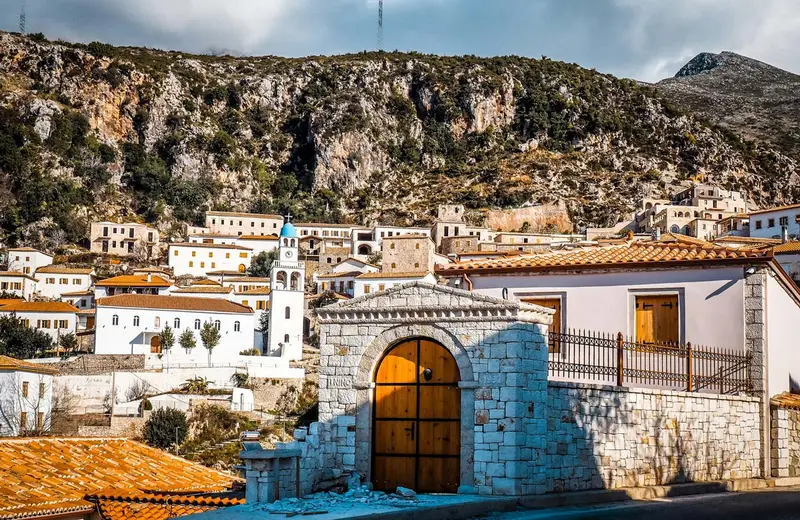
One of the first things first-time Europe travelers notice in Albania is the absence of mass tourism. Even in popular places like Berat, Gjirokastër, or the Albanian Riviera, you are rarely swallowed by crowds.
You can walk through UNESCO-listed old towns without timed entry slots. You can sit by the sea in Himarë or Dhërmi without paying inflated “tourist prices.” Albania still operates on local rhythms, not visitor demand.
For travelers new to Europe, this matters. Albania allows you to observe European life without fighting for space. You hear Albanian spoken around you, not just English. Cafés serve regulars before visitors. The experience feels unfiltered.
2. A Culture Shaped by Isolation, Not Empire Branding
Unlike Western Europe, Albania spent much of the 20th century isolated—politically, economically, and culturally. That isolation left marks that still shape daily life today.
You see it in:
-
Architecture that feels utilitarian rather than decorative
-
Food that is seasonal, filling, and practical
-
A strong emphasis on family and hospitality
-
A national mindset that values self-reliance
For first-time Europe travelers, Albania challenges the idea that Europe is homogenous. It shows a side of the continent shaped not by colonial wealth or global branding, but by survival, resilience, and community.
This makes cultural interactions feel more meaningful. Locals are often curious about you—not because you are a customer, but because outsiders are still interesting here.
Albanian Hospitality: Quiet, Direct, and Genuine
Hospitality in Albania doesn’t come with scripted smiles or formal service training. It is straightforward and sincere.
You may experience:
-
Restaurant owners offering extra food “just to try”
-
Strangers helping you find a bus without expecting anything
-
Hosts treating you like a guest, not a booking
There’s a cultural concept called “besa”, roughly meaning trust, honor, and keeping one’s word. While you won’t hear it discussed daily, you’ll feel it in interactions. People tend to mean what they say.
For first-time travelers to Europe, this kind of hospitality can feel refreshing. It removes the performative layer that sometimes exists in heavily touristed countries.
Getting Around Albania: Imperfect but Manageable
Public Transport Reality Check
Albania does not have Europe’s best infrastructure. Buses run, but not always on clear schedules. Trains exist, but they’re slow and limited.
However, this is not a disadvantage—it’s simply a different pace.
Most travel within Albania happens via:
-
Furgons (shared minibuses)
-
Regional buses between cities
-
Taxis for shorter distances
For first-time Europe travelers, Albania teaches flexibility early. You learn to ask questions, confirm information locally, and adapt. In return, you gain access to places that still feel untouched.
Driving in Albania
Renting a car is popular, especially for exploring the Albanian Riviera or mountain regions. Roads have improved significantly, but driving culture can feel chaotic.
If you’re confident behind the wheel and patient, driving offers freedom. If not, public transport combined with short taxi rides works well.
Food in Albania: Honest, Seasonal, and Understated
Albanian food doesn’t aim to be trendy or complex. It reflects the land.
Expect:
-
Fresh vegetables, olive oil, and herbs
-
Grilled meats and slow-cooked dishes
-
Simple desserts made with yogurt or honey
Meals are filling and affordable. You can eat extremely well without visiting “must-try” restaurants listed online.
For first-time travelers in Europe, Albania’s food culture emphasizes nourishment over presentation. You eat what’s available, what’s fresh, and what families actually cook at home.
Cost of Travel: One of Europe’s Last Affordable Destinations
Albania remains one of the most affordable European countries for travelers.
On a daily basis, you’ll notice:
-
Accommodation costs far lower than Western Europe
-
Meals that cost a fraction of neighboring countries
-
Transport that is budget-friendly
This affordability allows first-time Europe travelers to slow down. You don’t need to rush from city to city. You can stay longer, explore deeper, and travel without constant financial pressure.
Safety and Comfort for First-Time Travelers
Albania is generally safe, including for solo travelers. Violent crime against tourists is rare. Common sense applies, as it does anywhere.
What may surprise first-time visitors is how safe it feels—especially at night. Cities like Tirana are lively, social, and full of locals out late.
The biggest challenge isn’t safety; it’s navigating unfamiliar systems. English is widely spoken among younger people, less so in rural areas. A translation app helps.
Tirana: A Capital That Breaks Expectations
Tirana does not resemble classic European capitals. It’s not grand or symmetrical. Instead, it’s energetic, layered, and constantly evolving.
You’ll find:
-
Communist-era buildings beside modern cafés
-
Street art reflecting political memory
-
Public spaces filled with locals, not tourists
For first-time Europe travelers, Tirana is a lesson in contrast. It shows how a city rebuilds identity after decades of isolation. Spending time here helps contextualize the rest of the country.
Nature in Albania: Underrated and Accessible
Albania’s landscapes are among its strongest features—and still relatively unknown.
From:
-
The Albanian Alps in the north
-
Riviera beaches along the Ionian Sea
-
Rivers, canyons, and inland lakes
Nature here feels close. You don’t need expensive tours to access it. Hiking paths often start near villages. Beaches are public and uncrowded.
For first-time Europe travelers, Albania offers dramatic scenery without the crowds or high costs found elsewhere.
What Albania Teaches First-Time Europe Travelers
Traveling in Albania changes expectations.
It teaches that:
-
Europe isn’t always polished
-
Comfort and authenticity don’t always overlap
-
Cultural richness doesn’t require wealth
Albania rewards curiosity and patience. It doesn’t cater aggressively to tourists, but it welcomes those willing to observe rather than consume.
Choosing Albania as your first European destination may feel unconventional—but that’s precisely its strength.
It offers a version of Europe that is still rooted in everyday life. You won’t see Europe through museum glass; you’ll see it through kitchens, conversations, and shared spaces.
For first-time Europe travelers seeking realism, cultural depth, and a sense of discovery, Albania doesn’t just stand out—it stays with you.
Not because it tries to be memorable, but because it simply is.