





A Travel Expert’s Guide to Albania’s Hidden Cultural Treasures
When most travelers think of Albania, dramatic mountains and untouched beaches come to mind. Yet some of the country’s most powerful stories are told not through landscapes, but through stone houses, modest museums, and lived-in historic spaces quietly preserved by local communities. Albania historic sites are deeply personal, often hidden in plain sight, and rarely overwhelmed by mass tourism.
Unlike Europe’s grand palaces or heavily promoted museums, many museums in Albania are former homes—places where history unfolded in everyday rooms. Dictators were born here, writers dreamed here, families endured occupation and isolation here. These spaces feel intimate, raw, and authentic, making them some of the most rewarding hidden tourist spots Albania has to offer.
In this article, we move beyond the usual itineraries to explore Albania’s off-the-radar historic homes and museums—places that locals value deeply and curious travelers remember long after leaving.
Why Albania’s Historic Homes Feel So Different
Albania’s past is complex: ancient civilizations, Ottoman rule, Italian influence, decades of isolation under communism, and a rapid transition to modern Europe. Rather than erasing this layered history, Albania preserves it in personal spaces.
Many Albania historic sites are:
-
Former family homes
-
Preserved exactly as they were
-
Interpreted with honesty rather than gloss
This gives museums in Albania a unique emotional weight. You don’t just learn history—you step into it.
Berat: The City of a Thousand Windows
A UNESCO World Heritage Site, Berat is one of the most visually striking historic cities in the Balkans. While tourists often focus on its iconic hillside houses, few venture inside the historic homes that reveal daily life from centuries past.
Ethnographic Museum of Berat
Housed in an 18th-century Ottoman home, this museum offers insight into traditional Albanian family life. Wooden ceilings, carved staircases, and household objects paint a vivid picture of how families lived, cooked, and celebrated.
Why it’s off the tourist trail:
Many visitors photograph Berat’s exterior beauty but skip its interiors—missing some of the most meaningful Albania historic sites.
Solomon Museum
This small, privately run museum tells the story of Berat’s Jewish community and Albania’s unique role in protecting Jews during World War II.
Why it matters:
It highlights one of Albania’s most inspiring chapters—local families risking their lives to save others.
Hidden tourist spots Albania factor:
Quiet, personal, and rarely crowded.
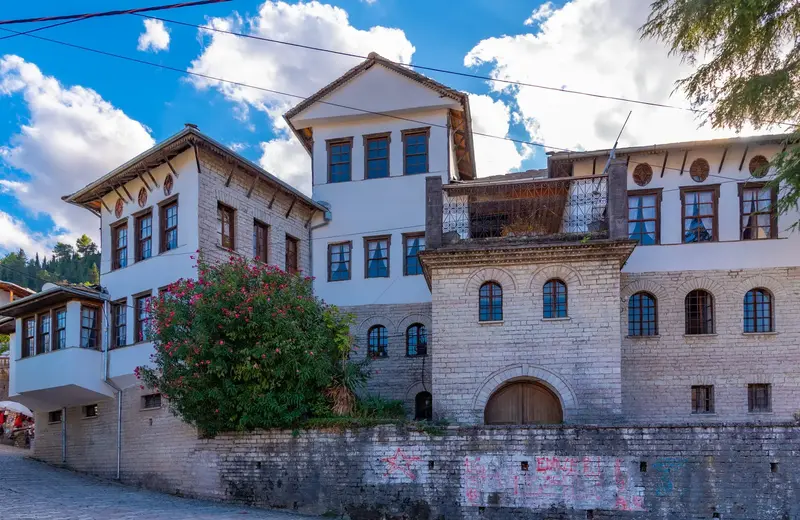
Gjirokastër: Stone Houses and Silent Stories
Another UNESCO-listed city, Gjirokastër feels like an open-air museum. Its steep streets and stone-roofed houses reflect Ottoman-era urban life.
Skenduli House
Skenduli House is one of the best-preserved Ottoman houses in Albania. Still owned by the same family for generations, it offers guided tours led by descendants who share personal stories.
What makes it special:
This isn’t a staged museum—it’s a lived history.
Zekate House
Larger and more fortified than Skenduli, Zekate House reflects wealth, defense, and social hierarchy during Ottoman times.
Expert insight:
Visiting both houses offers a rare comparison of social class within Albania historic sites.
Tirana: History Hidden Behind Ordinary Streets
Tirana may feel modern and chaotic, but some of the most compelling museums in Albania are hidden behind unassuming facades.
House of Leaves (Museum of Secret Surveillance)
Once the headquarters of Albania’s secret police, this building now documents the surveillance and fear of the communist era.
Why it stands out:
Its restrained presentation makes the stories more powerful.
Hidden tourist spots Albania:
Many visitors walk past without realizing its significance.
Bunk’Art 1 & Bunk’Art 2
These museums are located inside massive underground bunkers built during Enver Hoxha’s dictatorship. They combine art, history, and architecture to tell the story of paranoia and isolation.
Expert tip:
Bunk’Art 2, near Skanderbeg Square, is more accessible and focused on political history.
Korçë: Culture, Education, and Quiet Elegance
Korçë is often overlooked by fast-moving itineraries, yet it holds some of Albania’s most refined cultural spaces.
National Museum of Medieval Art
Home to Albania’s largest collection of Byzantine icons, this museum is a must for art and history lovers.
Why it’s underrated:
Its world-class collection remains largely undiscovered internationally.
The First Albanian School Museum
This historic building marks the birth of Albanian-language education.
Why locals value it:
It represents national identity and cultural survival.
Shkodër: Northern Traditions Preserved
Shkodër is one of Albania’s oldest cities and a cultural anchor of the north.
Marubi National Museum of Photography
Housed in a historic building, this museum displays photographs dating back to the 19th century.
Why it’s unique among museums in Albania:
It documents everyday life across generations—clothing, rituals, landscapes, and expressions.
Site of Witness and Memory
Located in a former prison, this museum documents political persecution under communism.
Expert insight:
Pair this with Marubi to understand both beauty and brutality in Albania’s past.
Krujë: More Than a Castle
While Krujë Castle is well-known, the historic homes around it often go unnoticed.
Ethnographic Museum of Krujë
Set inside a beautifully preserved house, this museum showcases traditional crafts, clothing, and domestic life.
Hidden tourist spots Albania angle:
Most visitors rush through Krujë without exploring its residential heritage.
Përmet & Southern Villages: History in Small Spaces
In smaller towns, Albania historic sites often exist on a very local scale.
Local Cultural Houses
Across southern Albania, small museums preserve:
-
Traditional clothing
-
Musical instruments
-
Agricultural tools
These are often run by municipalities or families and provide intimate insights into regional identity.
Travel expert advice:
Ask locals—some of the best museums in Albania aren’t listed online.
Why These Hidden Sites Matter
Visiting off-the-tourist-trail historic homes and museums supports:
-
Local preservation efforts
-
Family-run initiatives
-
Honest storytelling
These places resist commercialization and offer deeper cultural understanding.
Albania Historic Sites vs. Mainstream European Museums
What sets Albania apart is not grandeur, but authenticity. You won’t find velvet ropes everywhere. Instead, you’ll find creaking floors, family heirlooms, and stories told with pride.
For travelers seeking hidden tourist spots Albania offers something rare: history without performance.
Final Thoughts: Discovering Albania Through Its Homes
To truly understand Albania, step inside its homes. Listen to the stories told by walls, furniture, photographs, and people who remember.
The most meaningful museums in Albania are not always the largest or most famous. They are the quiet ones—preserved with care, visited with curiosity, and remembered with respect.
If you’re looking to experience Albania historic sites beyond guidebook highlights, these off-the-tourist-trail homes and museums will reward you with insight, emotion, and a deeper connection to the country.