









New Zealand's reputation as a road trip paradise is well-earned, but there's a cruel irony embedded in most visitor experiences: the very landscapes that draw travelers across the globe are the ones they speed past in a blur of checkboxes and FOMO. I've watched countless travelers stumble off planes in Auckland with fourteen-day itineraries attempting to conquer both islands, only to spend their "holiday" white-knuckling rental cars around mountain passes and collapsing into budget motels too exhausted to appreciate where they actually are.
The perfect New Zealand road trip isn't about seeing everything. It's about experiencing something deeply enough that it changes how you see the world. After guiding travelers through Aotearoa for over a decade, I've learned that the magic happens in the margins—the unplanned afternoon at a deserted beach, the conversation with a farmer at a roadside fruit stand, the sunrise you actually have energy to witness because you didn't drive seven hours the day before.
This guide will teach you how to plan a New Zealand road trip that respects both the landscape and your nervous system, incorporating the rhythm of slow travel without sacrificing the highlights that make this country extraordinary.
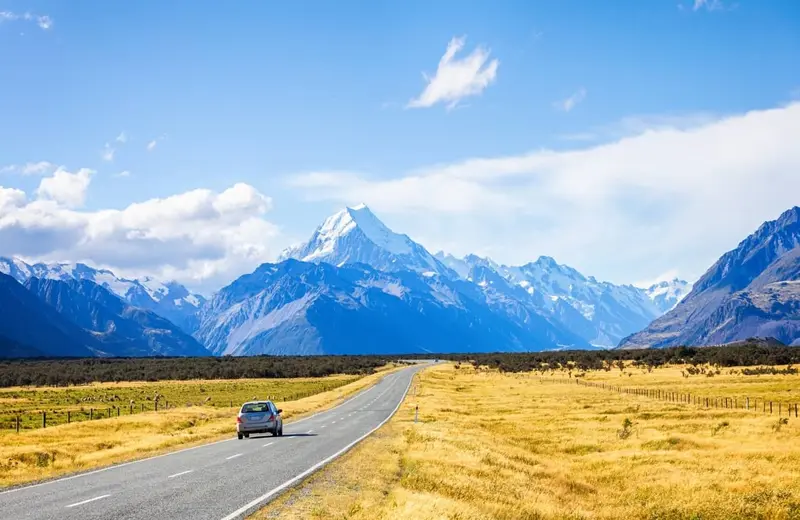
Understanding New Zealand's Geography: The Foundation of Smart Planning
Before you open Google Maps, you need to grasp a fundamental truth: New Zealand is deceptively large. Those tiny distances on a map translate to winding coastal roads, mountain passes, and single-lane bridges that turn a 200-kilometer drive into a three-hour journey.
The North Island stretches 1,600 kilometers from Cape Reinga to Wellington, while the South Island measures roughly 840 kilometers from Picton to Bluff. But kilometers mean nothing here. What matters is driving time, road conditions, and the psychological toll of constantly moving.
Most first-time visitors underestimate New Zealand's topography. This isn't a country of highways; it's a network of scenic routes that demand attention. The road from Queenstown to Milford Sound isn't just transportation—it's an experience that requires stops, photo opportunities, and mental bandwidth to process the visual overwhelm.
Smart planning means acknowledging that three hours of New Zealand driving feels different from three hours on an interstate. You're navigating sheep crossings, one-way bridges, and roads that hug cliffsides above crashing surf. Build in buffer time, rest stops, and the flexibility to pull over when something catches your eye.
The Golden Rule: Choose One Island (Or Give Yourself More Time)
This is where I lose half my audience, but it's the single most important decision you'll make: for trips under three weeks, commit to one island. The inter-island ferry between Wellington and Picton takes three and a half hours and costs upwards of $200 per person with a vehicle. Add driving to Wellington, waiting time, and the drive from Picton to your South Island destination, and you've lost an entire day to logistics.
The real cost isn't time—it's momentum. Every time you change bases, you lose the settled rhythm that allows deep exploration. You can spend ten days in the South Island and barely scratch the surface of Fiordland, the West Coast, and Central Otago. Why add the North Island's geothermal zones, Bay of Islands, and Coromandel to create an itinerary that guarantees exhaustion?
If you have three to four weeks, both islands become feasible. Start in Auckland, work your way south through Rotorua and Tongariro, take the ferry, then spiral through the South Island's highlights before flying out of Queenstown or Christchurch. This gives you time to establish micro-routines in each region rather than perpetually packing and unpacking.
For two-week trips, choose based on season and interests. The South Island delivers more dramatic alpine scenery and better hiking infrastructure. The North Island offers warmer weather, Maori cultural experiences, and unique geothermal landscapes. Both are extraordinary—you're choosing between two exceptional options, not accepting a compromise.
Crafting Your Route: Loops Over Lines
Linear itineraries seem efficient on paper but create logistical headaches. Flying into Auckland and out of Queenstown means one-way rental fees (often $300-500 extra) and the psychological pressure of a ticking clock pushing you south.
Loop routes solve multiple problems simultaneously. They eliminate rental car penalties, allow you to leave luggage behind for side trips, and create a natural rhythm of exploration and return. You can store winter gear in Auckland while spending a week in the Coromandel, or base yourself in Queenstown for Milford Sound day trips without hauling everything over the Crown Range.
My recommended South Island loop: Christchurch → Aoraki/Mount Cook → Wanaka → Queenstown → Te Anau → West Coast (Haast to Greymouth) → Kaikoura → Christchurch. This creates a 2,000-kilometer circuit that touches every major ecosystem without backtracking. Three weeks makes it comfortable; two weeks makes it possible if you choose strategically within the loop.
The North Island equivalent: Auckland → Coromandel → Rotorua → Taupo → Tongariro → Napier → Auckland. Roughly 1,500 kilometers covering beaches, geothermal activity, wine country, and mountain scenery with multiple opportunities to create three-to-four-day micro-loops.
Within these larger loops, think in clusters. Spend three days in the Queenstown area (Glenorchy, Arrowtown, wine country) rather than one day each in Queenstown, Wanaka, and Te Anau. This clustering approach reduces driving fatigue and allows you to discover each area's character beyond the Instagram spots.
The 2-3-2 Rule: Optimal Stay Lengths for Psychological Comfort
Human beings need approximately two days to settle into a new environment, three days to explore meaningfully, and two days before restlessness sets in. This 2-3-2 pattern should guide your accommodation strategy.
Plan to stay minimum three nights in your primary bases—places like Queenstown, Rotorua, or Wanaka where you'll use a central location for day trips. This gives you one day to arrive and orient, one or two days for activities, and time to rest before moving on. You'll sleep better, eat better, and actually remember what you did there.
For smaller towns along your route, two nights often suffices. Places like Franz Josef, Kaikoura, or Napier work perfectly as overnight stops that allow a full day of exploration without overstaying. You experience the highlight, get a taste of local culture, and move on before diminishing returns set in.
One-night stands should be rare and strategic—reserved for true transit points or when accommodation in your ideal location is fully booked. They're exhausting, prevent meaningful interaction with a place, and create a constant cycle of packing that drains travel energy.
Building in Blank Space: The Art of the Unplanned Day
The travelers who rave most passionately about New Zealand are those who left room for spontaneity. Book your first three nights and your last three nights, but leave the middle flexible. This creates security without imprisonment.
Budget one completely unplanned day per week of travel. No attractions, no agenda, no driving target. This is your buffer for weather delays, the hiking trail that took longer than expected, or the recommendation from your accommodation host that sends you somewhere not in any guidebook.
These blank spaces serve multiple purposes. They absorb the inevitable delays (car trouble, road closures, or that stomach bug from questionable seafood). They provide rest when you need it most. And they create the conditions for serendipity—the unexpected experiences that become your favorite travel stories.
I've seen travelers discover hidden hot springs, attend local rugby matches, help with farm work, and forge genuine friendships during these unstructured days. You can't plan magic, but you can create the conditions where it's likely to occur.
Seasonal Strategy: When Slow Travel Makes Most Sense
New Zealand's tourism infrastructure operates on a boom-bust cycle. December through February brings crowds, high prices, and the need for advance bookings. June through August delivers winter sports enthusiasts to the South Island but quiets the North Island considerably.
For slow travel, shoulder seasons (March-May and September-November) offer optimal conditions. Accommodation prices drop 30-40%, roads clear of campervans, and locals have time to chat. Autumn colors in Central Otago rival anything in New England, while spring brings lambs, wildflowers, and longer days without summer's intensity.
Weather becomes more variable in shoulder seasons, which paradoxically supports slow travel. That rainy day in Queenstown becomes an opportunity to visit museums, browse bookshops, and sample restaurants you'd otherwise skip. You're not racing against a ticking clock of perfect weather.
Winter demands specific planning. If you're chasing snow sports, the South Island rewards you with world-class skiing and a fraction of summer's crowds. If you want beaches and warmth, the North Island's Bay of Islands and Coromandel remain pleasant through winter while offering deals and solitude.
Accommodation Strategy: Mix Hotels, Motels, and Holiday Parks
Where you sleep shapes how you travel. A mix of accommodation types supports slow travel better than committing entirely to one category.
Holiday parks (camping grounds with cabins) create automatic community. You'll share kitchen facilities with other travelers, exchange route recommendations, and often discover local secrets. They're also budget-friendly, allowing longer trips without financial stress. Book holiday parks in scenic locations—Punakaiki, Mount Maunganui, or Queenstown—where the setting compensates for basic facilities.
Motels with kitchenettes grant independence. Cook breakfast, pack lunches, and avoid the expense and time commitment of restaurants three times daily. This is especially valuable in remote areas like the West Coast where dining options are limited.
Splurge on unique stays every fourth or fifth night. A luxury lodge near Aoraki/Mount Cook, a boutique hotel in Napier's Art Deco quarter, or a vineyard cottage in Marlborough creates highlights that punctuate your journey. These become the nights you fully disconnect from logistics and simply exist in remarkable spaces.
Activities: Quality Over Quantity
New Zealand offers hundreds of activities competing for your attention and money. The secret to avoiding burnout: choose one signature experience per region rather than attempting everything.
In Queenstown, would you rather do a Milford Sound day trip or a jetboat-wine tour-gondola combination? Both are excellent, but doing both in three days leaves you exhausted and broke. Choose based on what you genuinely want to experience, not what Instagram suggests you should do.
Allow activities to create natural rest days. After hiking the Tongariro Alpine Crossing, you need a recovery day. After a full-day Milford Sound trip, you want an evening to process what you saw. Build these recovery periods into your plan rather than stacking intensity.
Free and low-cost activities often deliver the most memorable experiences. Beach walks, town explorations, local markets, and scenic drives cost nothing but time. The view from Mount Victoria in Wellington is free. Swimming at Cathedral Cove is free. Watching the sunset over Lake Wanaka is free. Budget 50% of your time for these unpaid experiences.
The Road Trip Mindset: Redefining Success
The perfect New Zealand road trip isn't measured in kilometers driven or attractions checked off. It's measured in moments of genuine presence—sitting on a beach until you're completely bored, then sitting longer until the boredom transforms into something else.
Success is arriving at your accommodation before dark, having energy to cook dinner, and feeling excited about tomorrow rather than dreading more driving. It's remembering the names of people you met, the taste of specific meals, and how the light fell on mountains at particular times of day.
Stop thinking like a tourist collecting experiences and start thinking like a temporary resident exploring their adopted home. Residents don't visit every attraction in their city during one weekend. They discover places gradually, return to favorites, and skip things that don't interest them regardless of their popularity.
This shift in mindset transforms everything. You're no longer behind schedule because there is no schedule. You're not missing out because you're deeply engaged with where you are. You're not rushing because you've given yourself the greatest luxury modern travel offers: enough time.
Conclusion
Planning the perfect New Zealand road trip without rushing requires unlearning almost everything conventional tourism teaches. It means choosing depth over breadth, presence over productivity, and experiences over achievements.
The travelers who leave New Zealand most satisfied aren't those who saw the most—they're those who felt the most. They're the ones who spent three days in one location and discovered rhythms invisible to day-trippers. They're the ones who canceled plans because something better appeared. They're the ones who returned home with stories rather than just photographs.
Give yourself fewer destinations, more days, and the radical permission to change your mind. New Zealand rewards this approach with a generosity that transforms visits into relationships with place. The landscape doesn't reveal itself to those passing through—it opens itself to those willing to stay awhile.
Your perfect road trip is waiting, not in some optimal itinerary, but in the wisdom to know that perfect isn't about seeing everything. It's about seeing something so clearly that it stays with you forever.