





New Zealand consistently ranks among the world's most breathtaking destinations, but there's an elephant in the room that every prospective traveler needs to address: the price tag. I've spent considerable time exploring both the North and South Islands, and I'm here to give you the unvarnished truth about what it actually costs to experience Middle Earth.
The short answer? Yes, New Zealand is expensive compared to many travel destinations. But here's what most guides won't tell you: with strategic planning and local knowledge, you can experience this country's magic without selling a kidney. Let me break down exactly what you'll spend and where you can be smart about your budget.
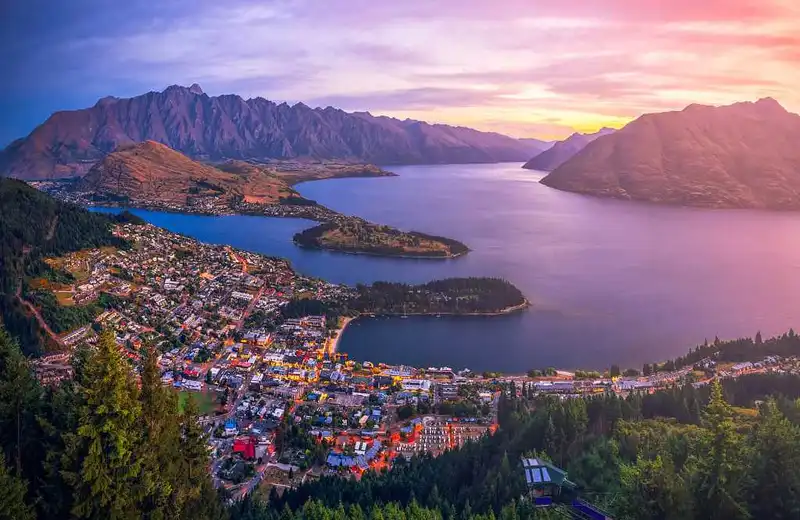
Understanding New Zealand's Cost of Living Reality
Before we dive into travel specifics, you need to understand why New Zealand carries premium prices. This isn't a case of tourist traps inflating costs artificially. The country sits isolated in the South Pacific, which means nearly everything except dairy, wine, and lamb gets imported. Shipping costs get passed directly to consumers.
Additionally, New Zealand operates a high-wage economy with strong worker protections. When you pay NZD 25 for a café breakfast, you're supporting livable wages, not padding corporate profits. This context matters because it explains why budget-stretching strategies that work in Southeast Asia simply don't translate here.
The New Zealand dollar typically hovers between 0.60-0.65 USD, meaning your American dollar stretches slightly further than the sticker price suggests. However, prices have risen notably since 2023, with inflation impacting everything from fuel to fresh produce.
Accommodation: Your Biggest Variable
Let's address your largest expense first. Accommodation in New Zealand ranges wildly, and your choices here will fundamentally shape your overall budget.
Budget Options (NZD 30-80 per night): Hostels remain the backpacker's best friend, with dorm beds running NZD 30-50 in major cities and NZD 25-35 in smaller towns. Base Backpackers and YHA hostels offer consistently good quality. Many include kitchens, which becomes crucial for budget management.
Freedom camping in certified self-contained vehicles costs nothing in designated areas, though New Zealand has tightened regulations significantly. You'll need proper toilet facilities in your vehicle and should budget NZD 20-30 nightly for occasional powered campsites with showers.
Holiday parks (NZD 40-60 per unpowered site) provide middle-ground options with excellent facilities. Top 10 Holiday Parks offer particularly good value for couples or families traveling in campervans.
Mid-Range (NZD 100-200 per night): Motels, Airbnbs, and budget hotels occupy this tier. Expect clean, functional rooms without frills. Regional towns like Wanaka, Taupo, or Napier offer better value than Auckland or Queenstown, where you'll hit the higher end of this range.
Splurge Territory (NZD 250+): Luxury lodges, boutique hotels, and premium Airbnbs command serious money. Queenstown especially can shock with rates exceeding NZD 400 for standard hotels during peak season (December-February).
Pro Strategy: Book accommodation in shoulder seasons (March-May, September-November) for 30-40% savings. Mid-week stays cost less than weekends. Consider house-sitting through TrustedHousesitters for free accommodation in exchange for pet care.
Transportation: Getting Around Middle Earth
Transportation represents your second-largest expense, and New Zealand's geography makes this unavoidable.
Rental Cars and Campervans: Daily rental rates vary dramatically by season. Expect NZD 40-70 daily for basic cars in shoulder season, climbing to NZD 80-120 in summer. Campervans start around NZD 100 daily for basic models, reaching NZD 200+ for fully-equipped vehicles.
Fuel currently costs approximately NZD 2.40-2.70 per liter (roughly USD 5.50-6.20 per gallon). Budget NZD 200-300 weekly for fuel if you're covering significant distance. The country is larger than most visitors expect—driving Christchurch to Queenstown takes 6+ hours.
Intercity Buses: InterCity and Naked Bus offer economical alternatives for non-drivers, with advance-purchase tickets starting at NZD 15-30 for popular routes. However, buses limit flexibility for reaching remote hiking trails or scenic detours.
Domestic Flights: Air New Zealand operates comprehensive domestic routes. Book 2-3 months ahead for deals like NZD 60-90 Wellington to Queenstown, compared to NZD 200+ last-minute fares. Jetstar offers budget competition on major routes.
Reality Check: Most visitors underestimate transportation costs. A three-week road trip typically burns NZD 1,500-2,500 between rental, fuel, and parking, even with careful planning.
Food and Drink: Feeding Yourself Wisely
Restaurant meals hit hard. Café breakfast runs NZD 18-28, lunch NZD 15-25, dinner NZD 30-50 per person at mid-range establishments. Fine dining in Queenstown or Auckland easily exceeds NZD 100 per head.
Here's where strategic choices matter most:
Supermarket Savvy: New World, Pak'nSave, and Countdown dominate grocery retail. Pak'nSave consistently offers lowest prices. Budget NZD 80-120 weekly per person for self-catering basics. Fresh produce, bread, cheese, and meat are reasonably priced. Pre-packaged items and imported goods cost more.
Cheap Eat Winners: Fish and chip shops (NZD 10-15), meat pie from bakeries (NZD 5-8), and Asian takeaway (NZD 12-18) provide affordable hot meals. Food courts in larger cities deliver decent value.
Coffee Culture: New Zealanders take coffee seriously, and flat whites run NZD 5-6. Skip Starbucks (overpriced) for local cafés serving better coffee at similar prices.
Wine and Beer: New Zealand produces world-class wine, and cellar door tastings offer outstanding value. Supermarket wine costs NZD 12-25 for excellent bottles. Craft beer enthusiasts should budget NZD 10-14 per pint at bars, NZD 18-25 for six-packs.
Budget Breakdown: Self-catering saves roughly NZD 30-40 daily versus eating out. Three weeks of mixed cooking and occasional restaurants typically costs NZD 800-1,200 per person.
Activities and Experiences: The Real Splurge
New Zealand's reputation for adventure tourism comes with premium pricing. This is where your budget can explode or stay reasonable depending on choices.
Free and Cheap Wins: Hundreds of hiking tracks cost nothing. The Tongariro Alpine Crossing, Roy's Peak Track, and countless coastal walks deliver world-class experiences for free. Department of Conservation (DOC) maintains excellent infrastructure.
Beaches, lakes, and scenic drives cost only time and fuel. Many museums charge minimal fees or suggest donations.
Mid-Range Activities (NZD 50-150): Wine tours (NZD 90-140), wildlife cruises (NZD 80-120), hot pools (NZD 25-45), and basic kayaking (NZD 80-100) sit in reasonable territory. These deliver genuine value without excessive premiums.
Adventure Premium (NZD 200-500): Skydiving (NZD 300-450), bungy jumping (NZD 200-300), helicopter flights (NZD 300-600), and Milford Sound cruises (NZD 90-200) command serious money. These activities maintain high safety standards and insurance costs, justifying pricing.
Strategic Approach: Prioritize 2-3 premium experiences rather than attempting everything. Free hiking and scenic driving deliver 80% of New Zealand's beauty for 5% of the cost.
Sample Budget Breakdowns
Shoestring Backpacker (NZD 80-100 daily):
- Hostel dorm: NZD 35
- Supermarket food: NZD 25
- Transportation share: NZD 20
- Activities/misc: NZD 20
Mid-Range Traveler (NZD 200-280 daily):
- Motel/Airbnb: NZD 100
- Mix cooking/eating out: NZD 60
- Car rental and fuel: NZD 70
- Activities: NZD 50
Comfortable Explorer (NZD 350-450 daily):
- Nice hotel/lodge: NZD 180
- Restaurants and cafés: NZD 100
- Vehicle and fuel: NZD 80
- Premium activities: NZD 90
These figures assume two people sharing costs where applicable. Solo travelers add 30-40% to accommodation and transportation.
Seasonal Cost Variations: Timing Is Everything
Understanding how seasons impact pricing helps you maximize value. New Zealand's seasons run opposite to the Northern Hemisphere, which catches many first-time visitors off guard.
Peak Season (December-February): Summer brings perfect weather and eye-watering prices. Accommodation rates double or triple in Queenstown, Wanaka, and coastal areas. Expect to pay NZD 150-250 for basic motel rooms that cost NZD 80-120 in shoulder season. Campervan rental rates jump 40-60%. The upside? Guaranteed sunshine and all activities operating at full capacity.
Shoulder Seasons (March-May, September-November): These windows offer the sweet spot for budget-conscious travelers. March and April deliver stunning autumn colors, especially in Central Otago, while September through November brings spring wildflowers.
Prices drop 25-40% across accommodation and vehicle rentals. You'll still encounter good weather—April averages 18-22°C (64-72°F) in many regions, while October brings 15-19°C (59-66°F). Some adventure activities reduce operations, but major attractions remain open.
Winter (June-August): Southern ski fields transform Queenstown and Wanaka into winter sports destinations with premium pricing. However, the rest of New Zealand becomes remarkably affordable. Northland, Bay of Plenty, and Hawke's Bay remain mild (12-16°C/54-61°F) while offering rock-bottom prices.
Winter represents New Zealand's secret budget season for non-skiers, with motel rooms at 40-60% discounts and nearly empty hiking trails.
Regional Cost Differences: Where Your Money Goes Further
Not all regions carry equal price tags. Strategic routing can significantly impact your overall budget.
Most Expensive Regions: Queenstown tops the list as adventure tourism central. Everything costs more—accommodation, dining, activities, even groceries run 10-15% above national averages. Auckland follows with big-city pricing. Milford Sound and Fiordland carry premiums for accessing remote wilderness.
Best Value Regions: The East Coast of the North Island—Gisborne, Napier, Hastings—offers excellent value with stunning beaches, world-class wineries, and Art Deco architecture at prices 20-30% below Queenstown.
Taranaki provides incredible value with dramatic coastal scenery and Mount Taranaki. Southland and the Catlins offer spectacular wilderness experiences at bargain prices, with locals appreciating tourism dollars.
Hidden Costs Nobody Warns You About
Several expenses catch travelers off guard. Factor these into your planning:
Department of Conservation Hut Fees: While hiking trails themselves cost nothing, overnight huts on popular multi-day tramps require booking and payment. Great Walks huts run NZD 65-150 per night, significantly cheaper than accommodation but still substantial for budget travelers doing multiple tramps.
Vehicle Insurance Excesses: Rental cars and campervans typically carry NZD 2,000-5,000 excess. Reducing this costs NZD 20-40 daily—expensive but potentially wise given New Zealand's narrow, winding roads.
Parking Fees: Major cities charge NZD 4-8 hourly for parking. Tourist attractions often add parking fees. Budget an extra NZD 10-20 daily if driving in urban areas.
Data and Connectivity: International roaming costs add up quickly. New Zealand SIM cards (Spark, Vodafone, 2degrees) cost NZD 20-40 for tourist data packages, essential for navigation in areas lacking WiFi.
Sandfly Repellent: Fiordland and West Coast sandflies are legendary. Quality repellent becomes a necessity, not luxury. Budget NZD 15-25 for effective protection.
Money-Saving Strategies That Actually Work
Book Direct: Accommodation, car rentals, and activities often cost less booking directly versus aggregator sites.
Shoulder Season Travel: March-April and September-October offer 70% of summer weather at 60% of the cost. Fewer crowds sweeten the deal.
Cook Strategic Meals: Breakfast and lunch from supermarkets, splurge on dinner. This balances budget with experience.
Free Camping Done Right: Invest in a certified self-contained vehicle and use WikiCamps app to find legitimate free spots. Saves NZD 30-50 nightly.
Work Exchange: WWOOF (Willing Workers on Organic Farms) and HelpX offer free accommodation and meals for 4-6 hours daily work. Perfect for extended stays.
Avoid Peak Summer: December through February brings highest prices and heaviest crowds. Early November or late February offers better value.
The Verdict: Is New Zealand Worth the Cost?
Here's my honest assessment after extensive travel: New Zealand absolutely delivers value, but only if you approach it correctly. Attempting to experience this country on Southeast Asian prices leads to disappointment. Accepting the premium and planning strategically leads to one of the world's finest travel experiences.
Budget NZD 2,500-3,500 for a modest two-week trip, NZD 4,000-6,000 for comfortable travel, or NZD 8,000+ for luxury experiences. Yes, these numbers rival European travel costs. The difference? New Zealand packs incredible diversity into a compact area—dramatic fjords, geothermal wonders, pristine beaches, wine regions, and adventure capital—all within days of each other.
The question isn't whether New Zealand is expensive. It demonstrably is. The real question is whether you'll invest in experiences you'll remember for decades. For most travelers willing to plan thoughtfully, balance splurges with savings, and embrace the outdoors, New Zealand absolutely justifies the investment.
Start saving, book those shoulder season flights, and prepare for the journey of a lifetime. Your bank account might wince, but your soul will thank you.