


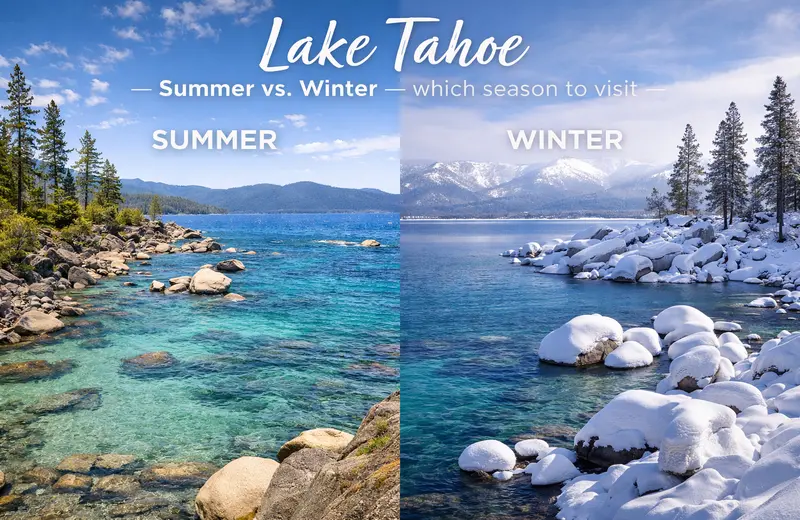
Let's be honest — Lake Tahoe is one of those places that makes people argue. Ask a summer person and they'll describe crystal-clear blue water, hiking trails, and warm evenings by the lake. Ask a winter person and they'll talk about powder snow, ski runs, and hot cocoa after a long day on the mountain. Both are right. And that's exactly what makes the Lake Tahoe summer vs winter debate so genuinely interesting. This isn't a case where one season is clearly better. It's a case where the right answer depends entirely on who you are as a traveler.
So let's break it down honestly, side by side.
What Summer Tahoe Looks Like
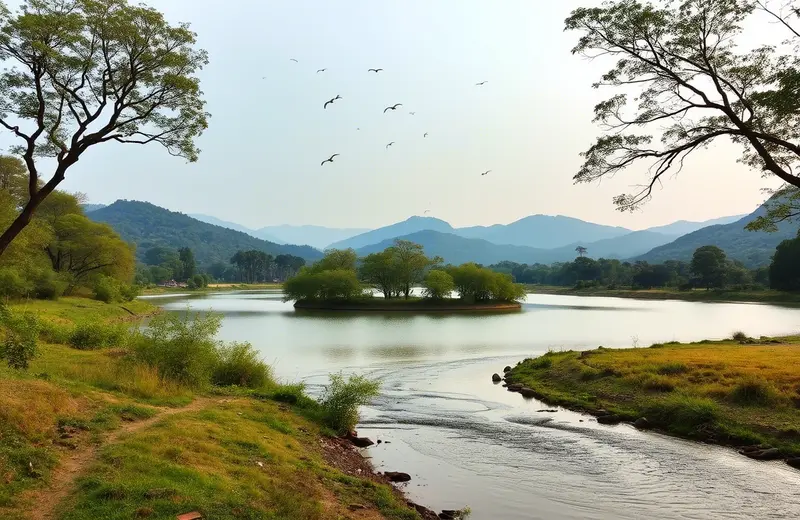
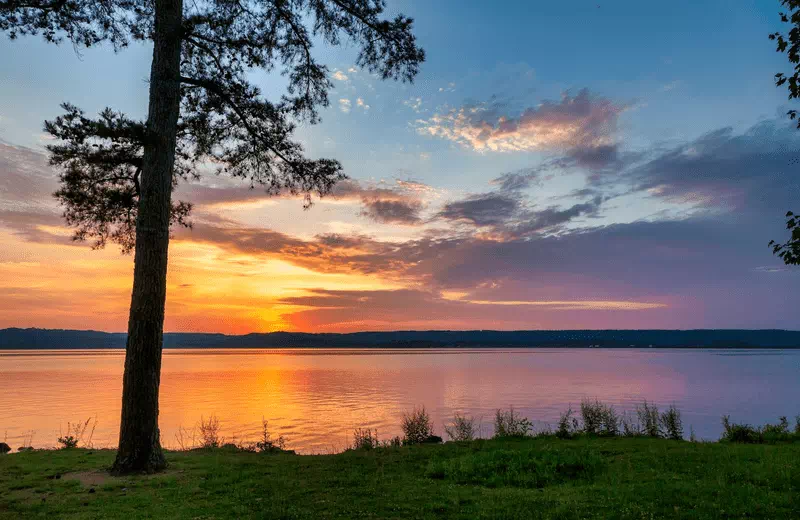
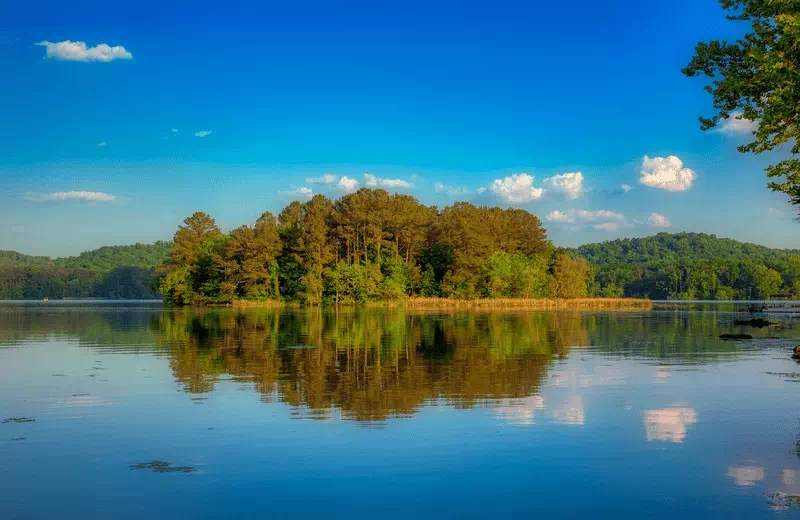
Summer in Lake Tahoe runs roughly from June through September, and the lake itself is the star. At 6,225 feet elevation, Tahoe sits in a sweet spot — warm enough in the days (mid-70s to low 80s°F) but cool enough at night that you actually sleep well. The water is stunningly clear, with visibility up to 70 feet in some spots. You can kayak, paddleboard, rent a boat, or just find a quiet cove and swim. Sand Harbor on the Nevada side has some of the most beautiful shoreline you'll find anywhere in the US — turquoise water, granite boulders, pine trees. It genuinely looks like somewhere in the Mediterranean.
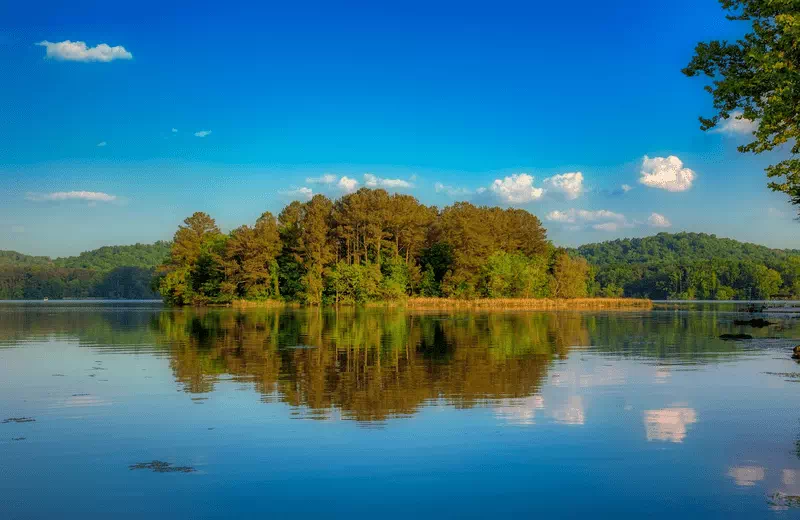
Beyond the water, summer opens up over 300 miles of hiking trails around the basin. The Tahoe Rim Trail gives you sweeping views of the lake from above. Emerald Bay State Park, with its tiny island and historic Vikingsholm mansion, is worth at least half a day. Mountain biking, horseback riding, and lakeside dining round out the season. Summer evenings at Tahoe are relaxed and unhurried — think cold beer on a deck, watching the light shift over the water.
The honest downside? Summer Tahoe is popular. July and August especially get crowded, parking becomes a genuine headache, and accommodation prices go up. If you're visiting in peak summer, book early and try to hit popular spots on weekday mornings.
What Winter Tahoe Looks Like
Winter in Lake Tahoe is serious ski country. The Sierra Nevada gets some of the deepest snowfall in North America, and the Tahoe basin has over a dozen ski resorts to choose from. Palisades Tahoe (formerly Squaw Valley) is the big name — it hosted the 1960 Winter Olympics and still has terrain that challenges even experienced skiers. Heavenly, straddling the California-Nevada border, offers stunning lake views from the mountain. Northstar is polished and family-friendly. Sierra-at-Tahoe and Sugar Bowl are quieter, more local alternatives.
But winter Tahoe isn't only for skiers. Snowshoeing and cross-country skiing trails weave through the pine forests. The town of South Lake Tahoe stays lively with restaurants, casinos just across the Nevada border, and après-ski energy that runs into the evening. Tahoe City on the north shore is quieter and charming in winter — boutique shops, good coffee spots, and that lovely mountain-town feeling where everyone's in a puffer jacket and nobody's in a rush.
The tradeoff in winter is weather unpredictability. Tahoe can get intense snowstorms that close roads, and if you're driving from the Bay Area on Highway 50 or I-80, chain controls happen regularly. Driving conditions require attention. Flexibility in your plans goes a long way in winter.
The Practical Stuff: Costs & Getting There
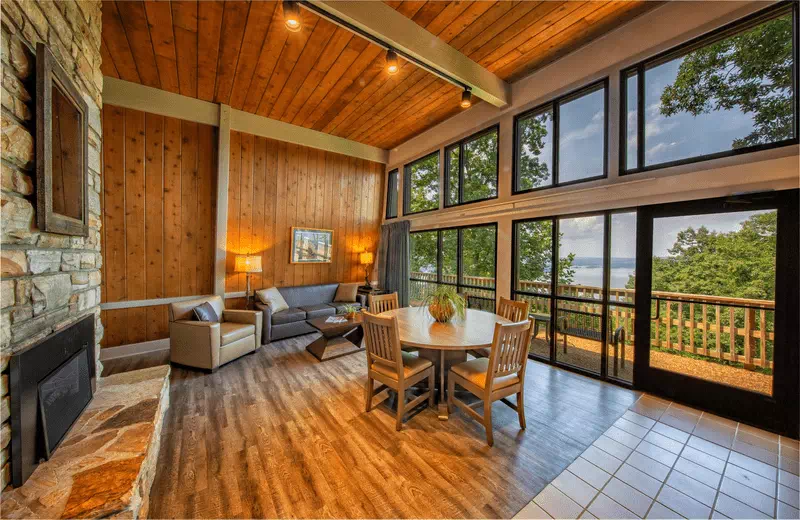
Summer tends to be slightly more expensive for lakeside accommodations, while ski season drives up prices near the resorts in winter. Shoulder seasons — late May or October — offer better rates and thinner crowds in both directions. Flying into Reno-Tahoe International Airport (RNO) is the most direct option year-round, about 45 minutes to an hour from most parts of the lake. From San Francisco, the drive is roughly 3.5 hours depending on traffic and conditions.
So Which Season Actually Wins?
Here's the truth about Lake Tahoe summer vs winter: summer is better if you're coming for the lake itself — the water, the views, the outdoor ease of it all. Winter is better if you ski or snowboard, or if you want that full mountain-town, cozy-and-snowed-in experience. Families with young kids often lean summer for flexibility. Active travelers who ski tend to say winter is when Tahoe is at its very best.
If you've never been and you're still undecided, go in late June or early October — you'll catch warm weather, smaller crowds, and the lake at its most gorgeous without the summer peak chaos or the full winter commitment.
Both seasons of Lake Tahoe summer vs winter deliver something genuinely special. The lake doesn't disappoint either way. You just need to know which version of yourself is showing up.
Verdict by traveler type
Beach and hiking people → Summer. Skiers and snow lovers → Winter. First-timers who want it all → late June or early October.