









If you’ve ever dreamed of being up close with elephants—not as a tourist snapping quick photos but as someone who truly helps and learns—Chiang Rai in northern Thailand offers one of the best opportunities. Ethical elephant volunteering programs in this peaceful region are designed for travelers who want to spend their time meaningfully, supporting elephant welfare while discovering Thai culture from a unique perspective.
Unlike commercial elephant camps that focus on rides and shows, ethical volunteering programs emphasize animal care, education, and sustainable tourism. Whether you have one week or just a few days, Chiang Rai’s short-term ethical elephant volunteering projects allow you to give back, learn, and create unforgettable memories—all without harming these gentle giants.
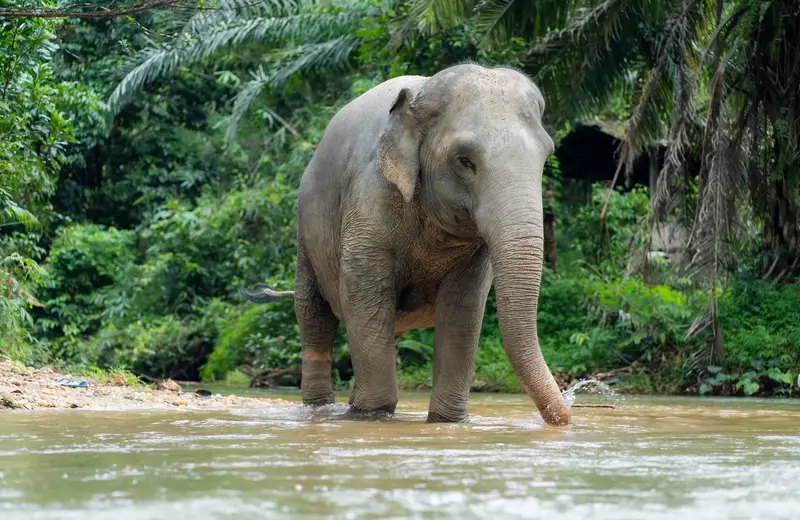
Why Chiang Rai? The Hidden Gem of Northern Thailand
Chiang Rai is often overshadowed by its bigger sister city, Chiang Mai, but for travelers seeking authentic experiences, this works in your favor. Known for its serene landscapes, lush hills, and close-knit communities, Chiang Rai offers a quieter, more local environment.
-
Less Crowded & More Authentic: Chiang Rai receives fewer tourists, meaning volunteering here often feels more personal.
-
Rich Hill Tribe Culture: Many programs work closely with local ethnic minority groups who have centuries-old relationships with elephants.
-
Easy Access: Chiang Rai is just a short flight from Bangkok or a scenic bus ride from Chiang Mai, making it ideal for short-term stays.
Understanding Ethical Elephant Volunteering
Before signing up, it’s essential to understand what “ethical” means in elephant tourism. For decades, Thailand’s tourism industry has included elephant riding and circus-style shows, practices now widely criticized for their impact on animal welfare. Ethical programs take a different approach:
-
No Riding or Performing: Elephants are allowed to behave naturally, without being forced to carry people or perform tricks.
-
Focus on Rescue & Rehabilitation: Many elephants in ethical sanctuaries were rescued from logging or entertainment industries.
-
Volunteer Roles Support Elephant Well-being: Instead of riding, volunteers help by preparing food, cleaning habitats, or monitoring elephant health.
Quick Tip: Always check if the sanctuary is registered, transparent about its practices, and avoids exploitative tourist activities.
Short-Term Volunteer Programs in Chiang Rai
1. Elephant Valley Thailand (EVT)
Overview: Known for giving elephants space and freedom, Elephant Valley Thailand focuses on natural living conditions and rehabilitation.
Volunteer Duration: Flexible—from 1 day to 1 week.
What You Do: Feed elephants, assist with habitat cleaning, learn about elephant biology and behavior.
Why It’s Ethical: No riding, no tricks, and elephants live in a semi-wild environment.
2. Golden Triangle Asian Elephant Foundation (GTAEF)
Overview: Located near the Mekong River, GTAEF is dedicated to elephant welfare and mahout (elephant caretaker) education.
Volunteer Duration: Usually 3–7 days.
What You Do: Participate in elephant feeding, forest walks, and veterinary care support.
Why It’s Ethical: Partnerships with local communities ensure both elephants and people benefit.
3. Local Community-Led Eco-Projects
Smaller, community-driven projects are emerging around Chiang Rai. These often combine elephant care with cultural exchange, such as working with hill tribe villages.
Volunteer Duration: 2–5 days.
What You Do: Assist with elephant food planting, support eco-tourism initiatives, and help in environmental conservation efforts.
What to Expect as a Volunteer
Daily Activities
-
Preparing elephant food (bananas, sugarcane, and special supplements)
-
Cleaning enclosures or natural habitats
-
Observing elephant health and behavior
-
Walking alongside elephants during forest or river bathing sessions
-
Learning about elephant conservation and Thai culture
Required Skills or Experience
Most programs welcome beginners. A good fitness level helps, as activities can be physical, but no specialized knowledge is necessary—just a willingness to learn and a love for animals.
Accommodation & Meals
Most sanctuaries offer simple yet comfortable accommodations, often in shared bungalows or homestays, along with traditional Thai meals. It’s an excellent way to experience rural living and local hospitality.
Why These Programs Are Different from Typical Tourist Activities
In many tourist elephant parks, visitors interact with elephants in ways that compromise animal welfare—riding, taking selfies while hugging elephants, or watching them paint. Ethical volunteering flips that script:
-
From Entertainment to Education: You learn about elephant behavior, history, and welfare issues.
-
From Passive Tourism to Active Support: Instead of watching a show, you actively contribute to elephant care and community initiatives.
-
From Exploitation to Conservation: Funds from volunteering often go directly to food, medicine, and habitat maintenance.
Conclusion: Why Volunteer with Elephants in Chiang Rai?
Volunteering with elephants in Chiang Rai is more than just an activity—it’s a transformative journey. You help rehabilitate elephants, support local communities, and immerse yourself in Thailand’s cultural and natural beauty. Short-term ethical programs give travelers the perfect balance of adventure, purpose, and cultural exchange.
If you’re looking for something beyond sightseeing—a way to give back while experiencing authentic Thailand—Chiang Rai’s ethical elephant volunteering programs are an unforgettable choice.